
No one really talks about it, but postpartum anger is real. You expected exhaustion. Maybe you expected some tears. But no one warned you how suddenly anger can bubble up over the smallest things, like your partner leaving dishes in the sink, your baby crying, your coffee going cold… again.

If this sounds familiar, you’re not alone. Many parents experience postpartum anger, even though it’s less discussed than postpartum depression or anxiety. Understanding where these emotions come from and how to manage them is a powerful first step toward feeling more like yourself again.
What Is Postpartum Anger?
Postpartum anger is intense frustration, irritability, or rage that can arise after having a baby. It can appear days, weeks, or months after birth. According to the American Psychological Association, mood changes are common in the postpartum period, but unaddressed anger can affect both parent and baby well-being.
Symptoms can include:
• Feeling easily irritated or short-tempered
• Explosive outbursts or silent simmering frustration
• Guilt or shame afterward
• Feeling emotionally overwhelmed or “on edge”
• Difficulty calming down once triggered

Why Postpartum Anger Happens
Hormonal Shifts
After birth, estrogen and progesterone drop sharply. These hormonal changes can affect mood regulation, increasing emotional sensitivity and irritability.
Sleep Deprivation
Studies from the National Institutes of Health show that inadequate sleep can heighten negative emotions and make it harder to regulate stress. And when your baby is waking every 2–3 hours, exhaustion is almost guaranteed.

Overwhelm and Mental Load
New parents often feel pressure to “do it all” perfectly. Household chores, feeding schedules, and constant vigilance over baby’s safety can quickly lead to resentment and emotional burnout.
Anxiety Masquerading as Anger
Many parents experiencing postpartum anxiety describe their anger as a secondary emotion. The constant fear that something might happen to their baby can come out as irritability or rage.

When to Talk to a Professional
While some anger is expected, ongoing rage, explosive outbursts, or feeling unsafe with your emotions are signs to reach out for help.
Contact your healthcare provider or a mental health professional if:
• Anger feels out of control or constant
• You feel detached from your baby or loved ones
• You have thoughts of hurting yourself or others
If you ever feel unsafe or need immediate help, call or text 988 in the U.S. (or your country’s local crisis line). If outside the U.S., find an international helpline at www.opencounseling.com/suicide-hotlines.

Practical Strategies to Cope With Postpartum Anger
1. Acknowledge What You’re Feeling
Anger doesn’t make you a bad parent. It’s a signal your body and mind are overwhelmed. Naming the feeling—out loud or in a journal—can reduce its intensity.
2. Prioritize Real Rest
Even short naps can lower irritability. If you’re unable to sleep try this: kick up your legs, relax your jaw, let your shoulders fall heavy and take a deep breath. Even if you aren’t sleeping, resting your body and mind counts too. Ask for help, share night duties if possible, and remember: your mental health matters.

3. Regulate Your Nervous System, Then Respond
Deep breathing, grounding techniques, or stepping away for a few minutes can help bring your body out of “fight or flight” mode. Postpartum anger is often a nervous system response — not a character flaw.
When you’re sleep-deprived, overstimulated, and constantly needed, your body can get stuck in “fight or flight.” In that state, even small stressors feel huge. The goal isn’t to eliminate anger. The goal is to help your nervous system feel safe again.
Here are 5 simple, realistic ways to build regulation into your routine:
Dim the lights at night.
Bright overhead lights can signal alertness to your brain. Softer lighting in the evening supports melatonin production and helps your body shift into rest mode.

Add gentle, grounding pressure.
A weighted blanket in your own sleep space or on a couch, never with or on baby, can provide calming deep pressure input, which research shows supports parasympathetic nervous system activation — your “rest, relaxation, and digest” state.
Wear cozy, comforting clothing.
Soft fabrics that feel like a warm hug may sound simple, but sensory input matters. When your body feels physically supported, emotional regulation becomes easier.
Choose warm, nourishing foods.
Warm meals can be grounding during postpartum recovery. Many cultures emphasize this for a reason. Simple, easy options like reheated bone broth can support nourishment while requiring minimal effort.

Play calm, predictable music.
Soft lullabies or instrumental music can cue safety for your brain. Bonus if it’s a song you enjoy singing along to. Singing requires changing breath patterns and taking deep breaths, which is regulating for our nervous systems.
These aren’t dramatic changes. They’re small signals to your nervous system that say: you are safe.
4. Build a Support System
Talk openly with trusted friends, your partner, or a therapist. Emotional support reduces shame and helps anger lose its grip. We often talk about how your baby doesn’t know how to regulate alone, so they borrow your nervous system.
But here’s the part no one tells you — you also borrow from others.
Talking to a friend.
Sitting near someone who feels steady.
Hearing “you’re doing a good job.”

That’s co-regulation. Building small moments of connection — even texting a trusted friend — can lower your stress response.
How Seeing Your Baby Breathe Can Help Ease Postpartum Emotions
A big source of postpartum anger often hides beneath the surface: anxiety about your baby’s safety. Many parents wake multiple times a night just to check if their baby is breathing. That hypervigilance can keep your nervous system in overdrive, feeding anger, irritability, and exhaustion.
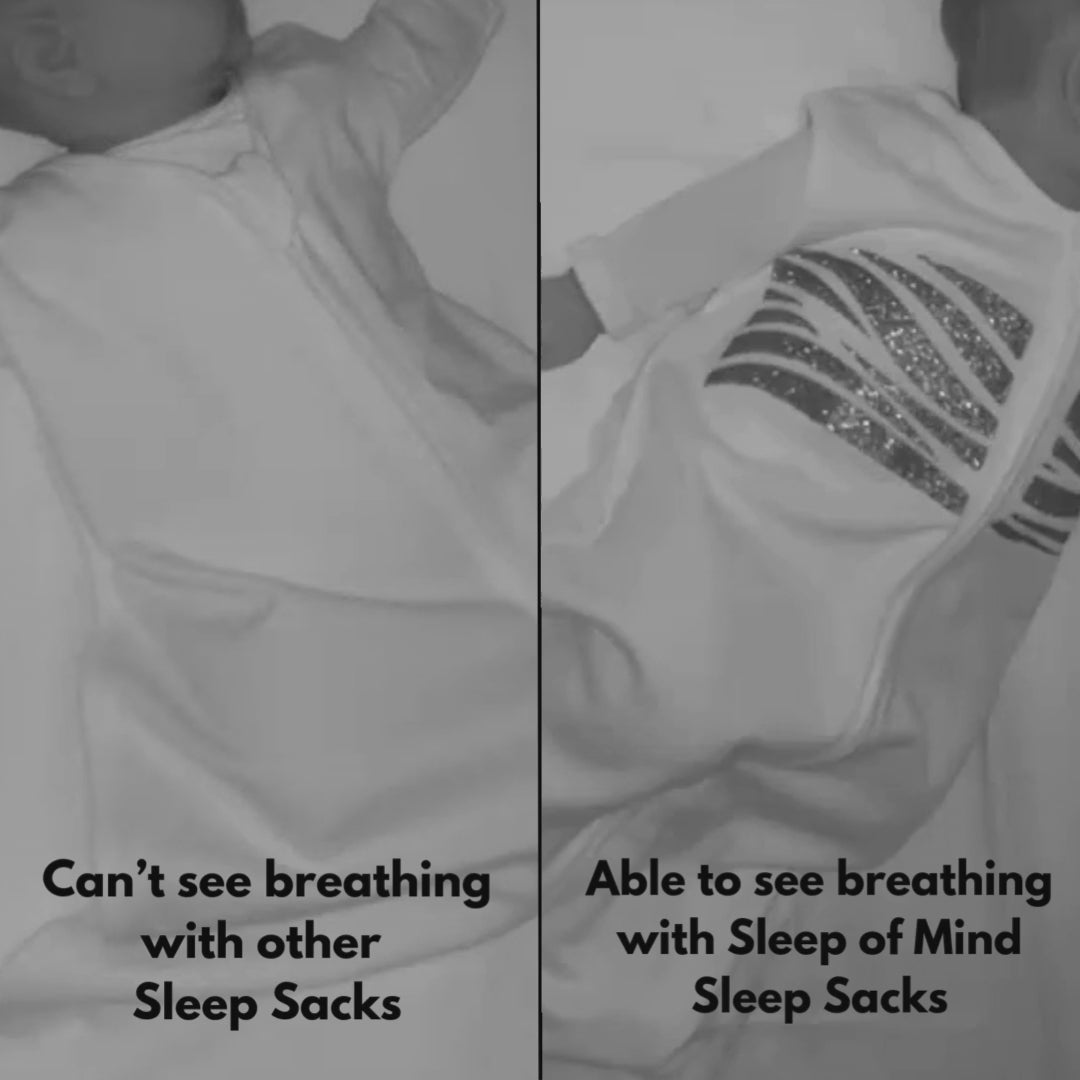
This is why we created Breathing Reassurance Sleepwear.
Its patent-pending design on both sides makes it easy to see your baby’s gentle chest rise and fall—even through your baby monitor.

Instant reassurance = fewer unnecessary wake-ups
Better sleep = improved mood and emotional regulation
Visible breathing = reduced anxiety and feelings of inadequacy
When parents can see their baby is okay, they feel safer, calmer, and more confident—which can ease not just anxiety but the anger that often stems from it.
>Learn more about Sleep of Mind sleep sacks, swaddles and pj's.
Bottom Line
Postpartum anger is more common than people admit—and it doesn’t make you a bad parent. It’s a sign that your mind and body need care, rest, and support. Hormones, sleep deprivation, anxiety, and pressure can all amplify frustration, but with the right tools and support, it gets better.
If you’re struggling, talk to your healthcare provider and lean on your support system. Nobody is meant to do this alone. And remember: you deserve to feel like yourself again.

This blog was co-authored by Blair Herring

Blair is a maternal health occupational therapist, prenatal and postpartum movement specialist, yoga teacher, and mom of three young children. Through her own journey into motherhood, she saw how much women are asked to navigate — physically, emotionally, and mentally — with very little ongoing support. Her work focuses on helping mothers feel calmer, more confident, and supported through pregnancy, postpartum, and early motherhood with practical, compassionate guidance rooted in occupational therapy. To learn more or book virtual support, visit www.birthandbalanceot.com.
References:
• American Psychological Association — Postpartum mood changes
• National Institutes of Health — Sleep deprivation and emotional regulation
• Mayo Clinic — Postpartum emotions and mental health