
If your baby has suddenly started rolling onto their tummy in the middle of the night, or flat-out prefers sleeping on their stomach, you are not the first parent to panic.
You put them down safely on their back, you check the monitor…
And there they are: face-down, bum in the air, snoozing away.
When is tummy sleeping safe? Should you flip them back? Is it dangerous? Does rolling ruin sleep?
We’re breaking down exactly what Canadian safe sleep guidelines say, what to do during this transition, and how to keep sleep on track while protecting your peace of mind.
Understanding Safe Sleep Guidelines
The Canadian Paediatric Society (CPS), American Academy of Pediatrics, and Health Canada are very clear:
Babies should be placed on their backs for sleep for the first 12 months.
Back-sleeping is the safest position and significantly reduces the risk of Sudden Infant Death Syndrome (SIDS).
Tummy sleeping and side sleeping are not recommended positions for young infants who cannot yet roll independently.

When is Tummy Sleeping Safe?
As per Safe Sleep Guidelines, tummy sleeping becomes safe once your baby can roll independently both ways, back to tummy and tummy to back. Many babies achieve this between 4-6 months, but as with all developmental milestones, it varies.
Once your baby has mastered rolling both ways and chooses a tummy-sleep position on their own, you do not need to reposition them.
This milestone matters because a baby who rolls both ways:
- Has stronger neck control
- Can lift and turn their head for airways protection
- Can shift their body if uncomfortable
Even after they learn to roll, you should still ALWAYS place them on their back for each sleep, through the first year of life.

What If Baby Can Only Roll One Way?
This is very common; many babies will roll back to tummy first and may not yet have the ability to roll tummy to back.
If your baby rolls onto their tummy during sleep, you can:
1. Gently return them to their back
2. Increase tummy time during the day to help strengthen muscles
3. Practice rolling at each wake window to help them master the skill
4. Stop swaddling immediately. Swaddled babies cannot safely reposition. Stop swaddling at the first sign of rolling (lifting up on their arms with head and chest higher, swaying hips or legs side to side, rolling onto their side.)
5. Transition to a sleep sack that allows full arm movement.
How Rolling Can lead to a Regression in Sleep
Rolling is a common cause of a sleep speed bump between 4-6 months. When a baby advances in one area of development, it’s common to see another area take a hit, and that is often sleep!
Here’s why:
1. They practice their skills overnight. When little ones are learning something new, they will often practice between sleep cycles through the night.
2. They get stuck. Babies might only know how to roll one way but not the other, they will often get frustrated because they cannot get back to a comfortable position.
3. They don’t know how to settle on their tummy. Little ones who know how to roll both ways, might keep rolling to their tummy but don’t yet know how to re-settle to sleep that way.
4. Parents start intervening more. While this is so normal, it can unintentionally lead to new expectations around sleep.
The rolling related sleep disruptions typically last 1-2 weeks and improve once baby masters rolling both ways.
Swaddling, Sleep Sacks and Safe Tummy Sleep
Swaddling must be stopped at the very first signs of rolling. Once a baby begins attempting to roll, being swaddled becomes unsafe because they cannot use their arms to reposition themselves. This increases the risk of suffocation and compromises airway protection.
Instead, transition to a properly fitted, breathable sleep sack that allows full arm mobility and unrestricted movement. This supports safe development while maintaining comfort.
The rolling stage can feel overwhelming for parents. It is not just a milestone for your baby, it’s a milestone for you, too.
Parents often share that during this phase they are:
-
Watching the monitor constantly to make sure their baby is breathing
-
Hesitant to fall asleep themselves in case their baby rolls
-
Flipping their baby back repeatedly and unintentionally disrupting sleep
A Full Freedom Sleep Sack Helps
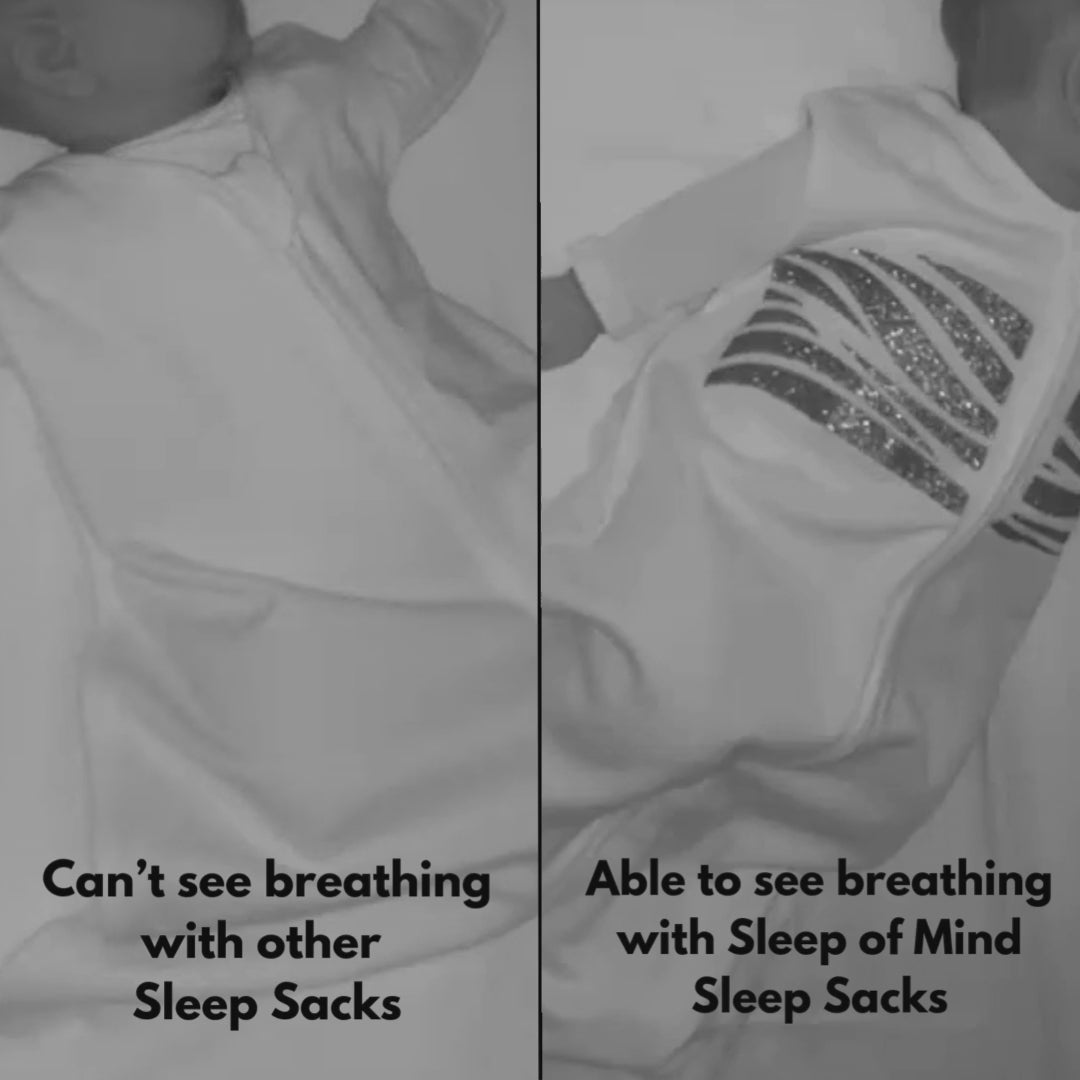
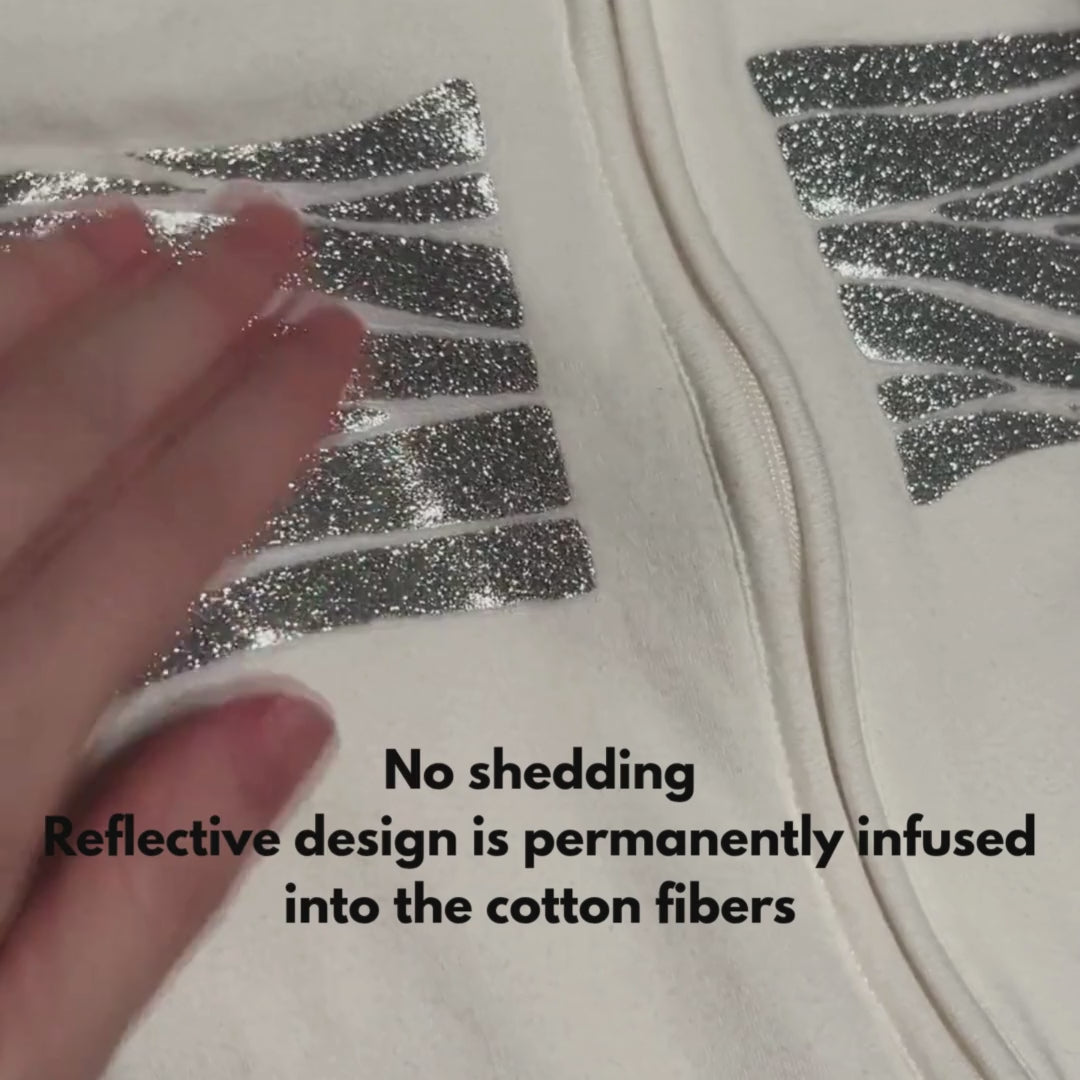
This is exactly why we designed our Sleep of Mind sleep sack to have a wider cut, so that babies can easily roll without getting stuck or frustrated. It also allows full arm mobility, which is essential for babies learning to roll safely, while giving parents visual reassurance and confidence. But seeing your baby sleep on their tummy can be scary because most video baby monitors don't show breathing very easily. That's why our sleep sack is a game changer for parents in this situation.

What if Your Baby Prefers Tummy Sleep?
Many babies sleep well on their tummies once rolling is mastered, and this is safe to do as long as your baby is able to roll both ways.
Rolling can temporarily disrupt sleep, but with the right setup and support, this phase does not last forever.
What if I Need Help Navigating Sleep?
There are many wonderful sleep experts available to help. We love Plume Sleep, who support families across Canada and beyond, through developmental sleep changes with evidence-based, RN-informed guidance that prioritizes safety and long-term sleep foundations for little ones from the newborn stage to 8 years of age.
If you are navigating rolling, tummy sleeping, or a sleep regression and want personalized direction, they may be the right fit to help.
Book a complimentary sleep evaluation call with their team to learn how they can support your family.

Your peace of mind, and your sleep, truly matter.