
If you’ve ever stood over your baby’s crib in the middle of the night, watching their chest rise and fall just to make sure they’re okay, you are not alone.
Many parents find themselves checking their baby’s breathing multiple times a night, especially in the early weeks. Even when everything is perfectly fine, the urge can feel impossible to ignore.
So why does this happen?
Is It Normal to Keep Checking Your Baby’s Breathing?
Yes. This is incredibly common.
Many parents experience anxiety about their baby’s breathing, particularly during the newborn stage. It is one of the most frequent concerns new parents search for, and one that often is not talked about enough.
This instinct comes from a place of protection. Your brain is adjusting to keeping your baby safe, and it stays on high alert, especially during sleep.
Once you become aware of Sudden Infant Death Syndrome, it is easy to understand why so many parents feel the need to double check.

Why Your Brain Has a Hard Time Switching Off at Night
This feeling often becomes stronger at night for a few reasons.
Nighttime Feels Less Certain
During the day, your baby is easier to see and hear. At night, the quiet and darkness can make everything feel less predictable.
You Are Wired to Protect
Your brain is doing exactly what it is designed to do. It scans for safety. For new parents, that often shows up as checking breathing, positioning, or movement.
Awareness of SIDS Increases Vigilance
Even though the overall risk is low, simply knowing about SIDS can make it harder to fully relax.
When Checking Starts to Feel Exhausting
Checking your baby from time to time is completely normal. It can become overwhelming when:
- You wake up often just to check their breathing
- You have trouble falling back asleep afterward
- You feel anxious even when everything is set up safely
At that point, it is no longer just about safety. It becomes about needing reassurance and peace of mind.

What Actually Reduces the Risk of SIDS?
The most helpful way to build confidence is to focus on evidence based safe sleep practices.
These include:
- Placing your baby on their back for every sleep
- Using a firm, flat mattress in a safety approved crib or bassinet
- Keeping the sleep space free of blankets, pillows, and toys
Some pediatric experts also recommend offering a pacifier at sleep time, which has been linked to a lower risk of SIDS.
But more than anything, what matters most is creating a sleep environment you trust.
Why Visibility Can Change Everything for Parents
For many parents, the hardest part is not setting up a safe sleep space. It is feeling confident once the lights go out.
This is where visibility can make a real difference.
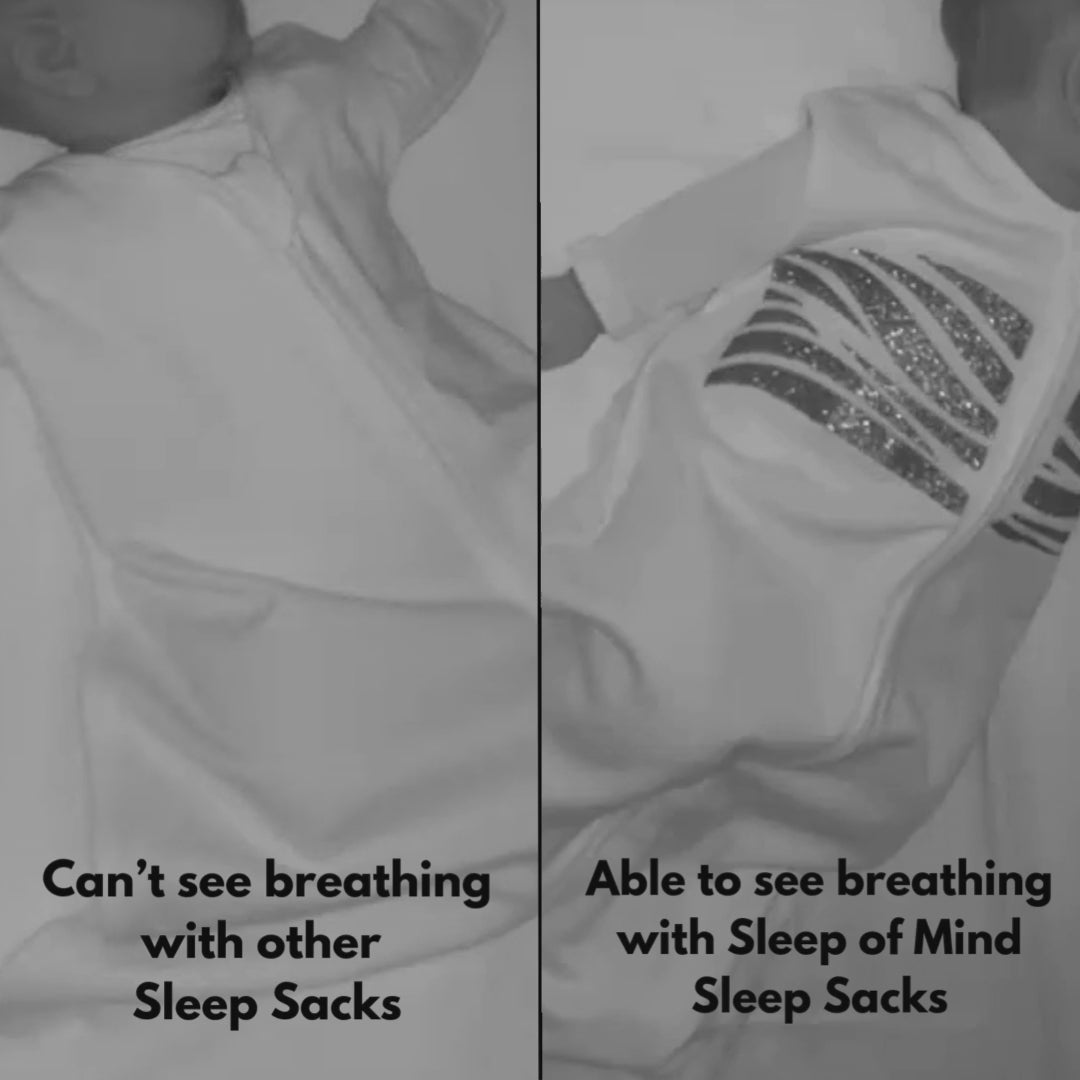
When you can clearly see your baby’s chest rising and falling, it removes the guesswork. Instead of feeling like you need to check again, you already have reassurance that your baby is okay.
Designed to Give You Peace of Mind
Sleep of Mind sleepwear was created with one goal, to help parents feel more at ease during those long nights.


See Your Baby’s Breathing in Real Time
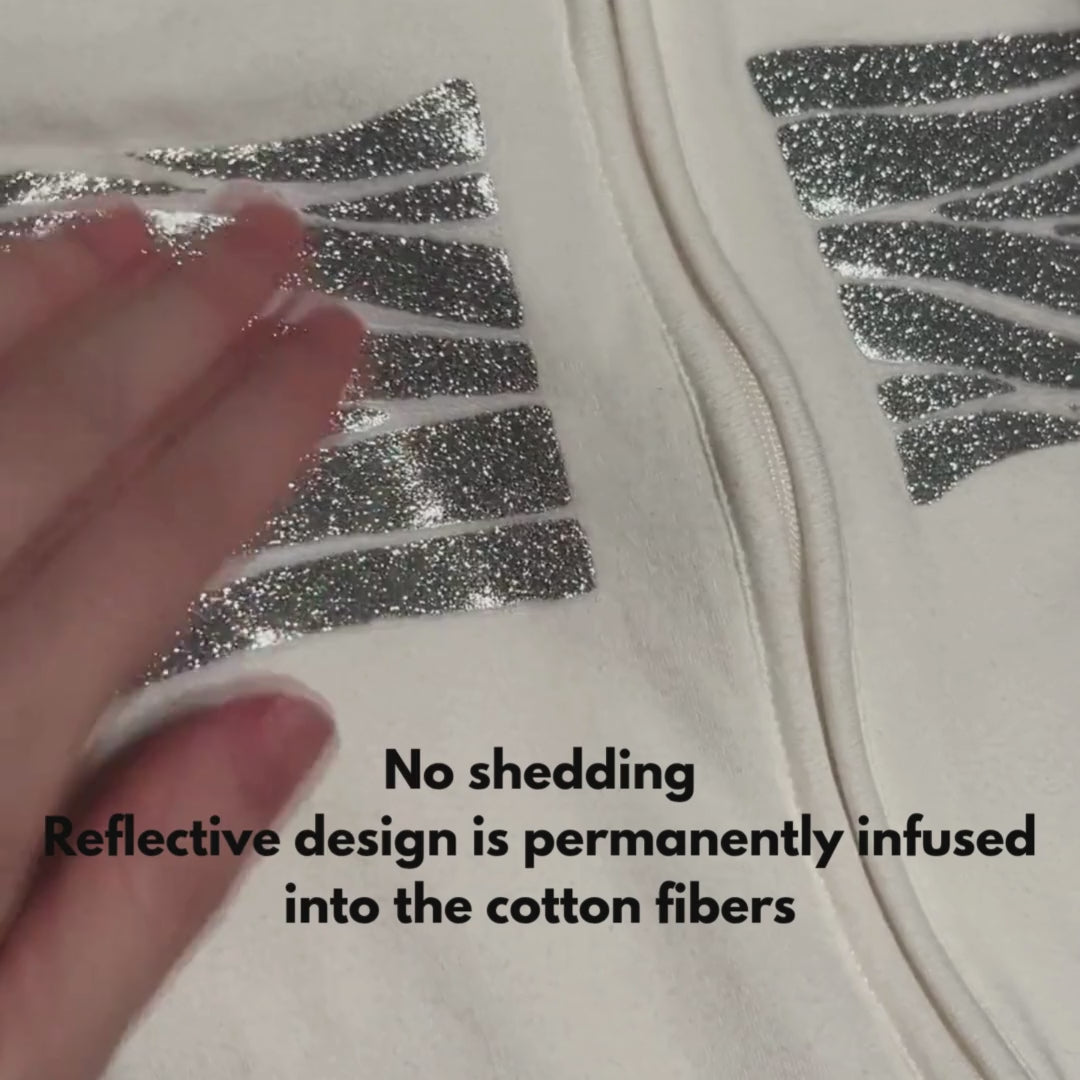
The patent pending design allows you to visually monitor your baby’s chest movement, so you do not have to rely on repeated checks.
For many parents, this simple feature helps reduce the urge to constantly lean over the crib.
Safe, Breathable Materials
Sleep of Mind sleepwear is made from 100% GOTS certified cotton and OEKO-TEX Standard 100 certified fabrics. These materials are soft, breathable, bleach-free, dye-free, and designed with your baby’s comfort and safety in mind.
Thoughtful Design Focused on Safety
Every detail is created with both baby safety and parent peace of mind in mind, from high quality zippers to a comfortable, well fitted design.
Take a look at our sleepwear>>
A Note From a Sleep Consultant
As an infant sleep consultant, one of the most common things I hear is:
“I cannot stop checking if they are breathing.”
This feeling is more common than most people realize. And while it does ease with time, having tools that help you see and trust your baby’s sleep can make a meaningful difference.
If the anxiety feels constant, overwhelming, or begins to affect your ability to sleep or function during the day, it may be helpful to speak with a perinatal mental health professional. Support is available, and you do not have to manage those feelings on your own. Find one who works virtually>
The Bottom Line
If you keep checking your baby’s breathing, it does not mean something is wrong. It means you care.
This instinct is a normal part of early parenthood. Over time, as you build confidence in your baby’s sleep environment, the urge to check usually becomes less intense.
Safe sleep practices are essential, but so is feeling confident in what you see when your baby is sleeping.
For many parents, that sense of reassurance is what finally allows them to rest.

FAQ: Baby Breathing Anxiety
Is it normal to worry about my baby’s breathing at night?
Yes. This is extremely common, especially in the newborn stage.
How can I stop checking my baby’s breathing so often?
Building a safe sleep setup and using tools that increase visibility and confidence can help reduce the urge over time.
What helps reduce anxiety about SIDS?
Following safe sleep guidelines and creating a sleep environment you trust are the most effective ways to feel more at ease. Read the AAP Safe Sleep Guidelines>
When does this feeling go away?
For most parents, it gradually improves as their baby grows and sleep becomes more predictable.
Why do I keep checking if my newborn is breathing?
Repeatedly checking your newborn’s breathing is common, especially during the early weeks of parenthood. Your brain is adjusting to the responsibility of keeping your baby safe, and nighttime uncertainty can make those protective instincts feel even stronger. Especially if you've gone through a miscarriage, a stay in the NICU, or IVF treatmentsIf. If checking becomes constant or interferes with your sleep, consider speaking with a healthcare provider for additional support.
Is it normal to be afraid my baby will stop breathing during sleep?
Yes. Many parents experience fears about their baby’s breathing, including worries about Sudden Infant Death Syndrome (SIDS). These feelings can be especially intense during the newborn stage. Following evidence-based safe sleep recommendations can help you focus on the steps you can take to reduce risk, while support from a healthcare professional can help if the fear feels overwhelming.
How can I stop obsessively checking my baby’s breathing at night?
Start by establishing a safe sleep environment and following recommended safe sleep practices. If you find yourself repeatedly checking the monitor or getting out of bed to watch your baby breathe, tools that make your baby’s chest movement easier to see may offer reassurance. If the urge to check feels uncontrollable or keeps you from getting adequate rest, consider talking with a perinatal mental health professional.
Can postpartum anxiety make me worry about my baby’s breathing?
Yes. Postpartum anxiety can involve persistent worries about your baby’s safety, difficulty relaxing, and repeatedly checking for signs that something might be wrong. Not every parent who checks their baby’s breathing has postpartum anxiety, but if these worries are affecting your sleep, mood, or daily life, you deserve support. A healthcare provider or perinatal mental health specialist can help you understand what you are experiencing.
Does checking my baby’s breathing reduce the risk of SIDS?
Looking at your baby’s breathing does not prevent SIDS. The most important steps are following safe sleep recommendations, including placing your baby on their back for every sleep, using a firm, flat sleep surface, and keeping the sleep space free of loose bedding and soft objects. Visual reassurance may help you feel calmer, but it is not a substitute for safe sleep practices.
Can a baby monitor tell me if my baby is breathing?
A standard video baby monitor can help you see your baby and observe visible chest movement, particularly when night vision is available. However, it cannot reliably confirm that your baby is breathing normally or detect every breathing problem. Unless a device is specifically designed and validated for medical monitoring, it should not be relied upon to assess your baby’s breathing or health.
How can I see my baby breathing more clearly on a baby monitor?
Try positioning your camera so your baby’s chest is visible, adjusting the angle to reduce glare, and using the monitor’s night vision in a dark room. Sleep of Mind’s Breathing Reassurance Sleepwear features a reflective design that uses light from a compatible night-vision baby monitor to make visible chest movement easier to see. It requires no batteries, apps, or subscription fees and is designed to provide visual reassurance, not medical monitoring.
When should I seek help for anxiety about my baby’s breathing?
If you are frequently waking to check your baby, struggling to fall back asleep, feeling constantly on edge, or finding it difficult to function during the day, consider reaching out to your healthcare provider or a perinatal mental health professional. You do not need to wait until the anxiety feels unbearable to ask for help. If you are concerned that your baby is having difficulty breathing, seek urgent medical assistance rather than relying on a monitor or visual check.
Will I eventually stop worrying about my baby’s breathing?
For many parents, these worries become less intense as they gain confidence and adjust to caring for their baby. However, every experience is different, and persistent anxiety does not mean you are doing anything wrong. Building a safe sleep routine, finding sources of reassurance that work for you, getting outside and being active to reset your nervous system, and seeking support when needed can help you feel more comfortable resting, too.
Final Thought
Peace of mind does not come from doing one thing perfectly. It comes from creating a sleep environment where you feel confident enough to close your eyes, too.